Cooling-driven electricity use
Cooling demand drives most South Carolina electric bills for a large part of the year, with additional winter heating load in Midlands and Upstate homes. System sizing starts with your home's actual usage.
Loading page content
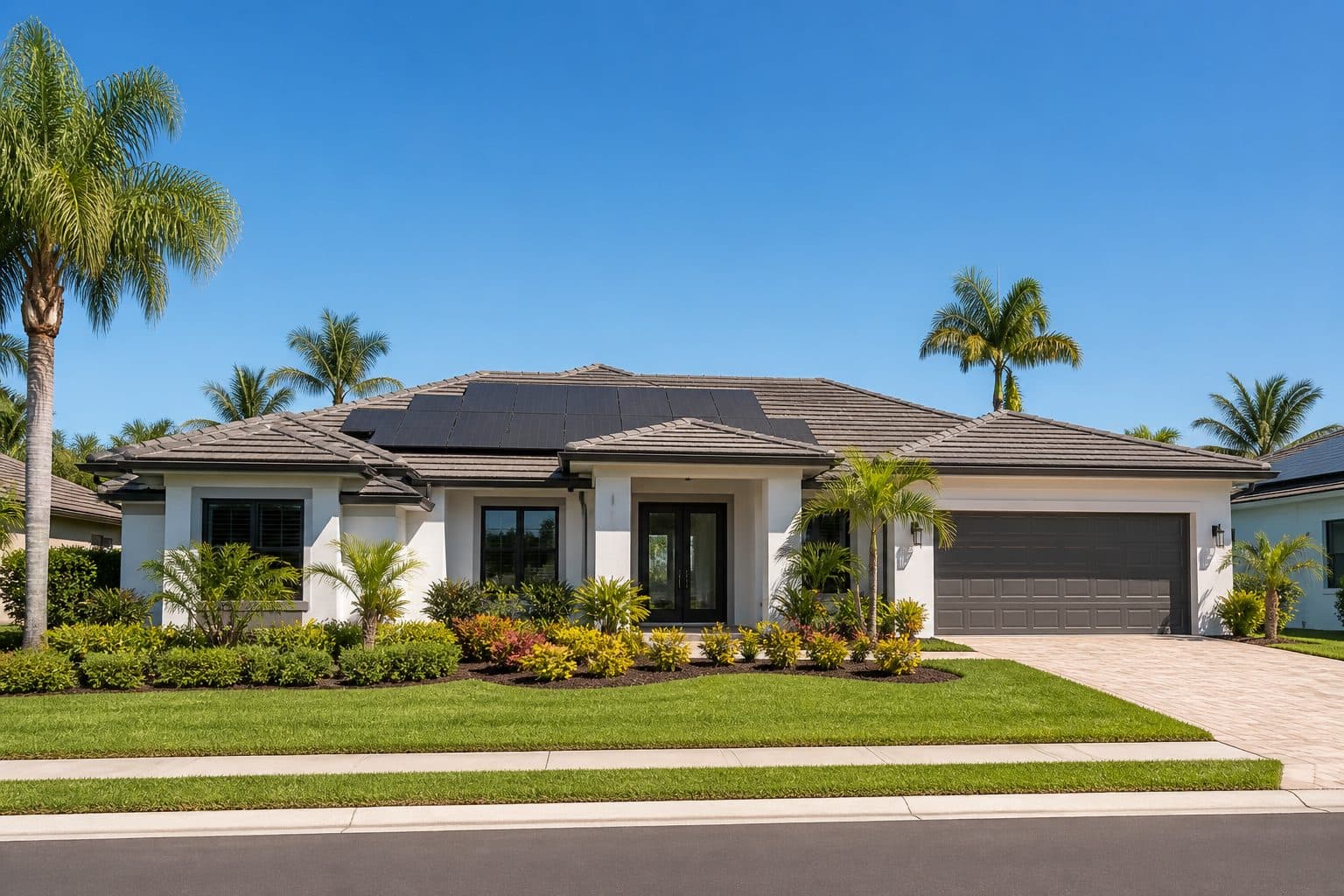
South Carolina Residential Solar
Spence Solar and Construction is based in Panama City Beach, Florida, and offers residential solar consultations to South Carolina homeowners from the Lowcountry coast to the Midlands and Upstate. We review your property and utility before discussing what may fit.
Based in Panama City Beach, Florida. Serving residential solar customers throughout the Southeast and commercial solar customers nationwide.
Residential solar consultations are available to South Carolina homeowners in Charleston, Summerville, Columbia, Greenville, Aiken, and surrounding communities. South Carolina's coastal humidity, historic-district building considerations, and inland climate differences mean each property is evaluated individually rather than against a single statewide template.
South Carolina's Lowcountry, including Charleston and Summerville, brings coastal humidity, salt-air exposure, and in some neighborhoods, historic-district architectural review that can affect how and where equipment is installed. Homes in the Midlands around Columbia and the Upstate near Greenville and Aiken face a different set of considerations — more inland weather patterns, varied roof ages, and different tree coverage.
Cooling demand is the dominant driver of electric usage for most of the year across South Carolina, with a secondary winter heating load in Upstate and Midlands homes that is less pronounced along the coast. We review actual utility bills to understand a home's real usage pattern before discussing system size.
Utility service is not uniform statewide. South Carolina homeowners may be served by investor-owned utilities, municipal providers, or electric cooperatives, and net metering or interconnection rules can differ by provider. We confirm current requirements for your specific account rather than assuming a single statewide rule.
Roof condition and, in some historic neighborhoods, local architectural review requirements are part of a realistic South Carolina solar conversation. We treat these as planning factors to work through early, not surprises to encounter later in the process.
Utility treatment, roof condition, and product availability vary. Nothing here is a guarantee of eligibility or savings.
Cooling demand drives most South Carolina electric bills for a large part of the year, with additional winter heating load in Midlands and Upstate homes. System sizing starts with your home's actual usage.
Lowcountry communities like Charleston and Summerville face seasonal tropical storm risk, while inland areas see severe thunderstorm activity. We discuss backup planning realistically, without guaranteeing outage protection.
South Carolina includes investor-owned utilities, municipal providers, and cooperatives, each with its own net metering and interconnection rules. Current requirements are confirmed for your specific utility.
Roof age and material are reviewed for every project, and homes in historic districts may face additional architectural review that can affect equipment placement and visibility.
Rooftop systems are most common, while larger lots in Midlands or Upstate markets may support ground-mounted arrays where site conditions and setbacks allow.
Battery storage may support selected circuits during coastal storm outages or inland grid disruptions, depending on system design and capacity. Runtime is not guaranteed.
Cash purchase, financing, or lease/third-party ownership may be available depending on credit, location, and current program terms, reviewed case by case.
Where roof condition is a concern, repair or replacement may be recommended before installation so the project sequence protects the home.
Projects may be available depending on property conditions, utility approval, equipment, financing, and installer coverage.
Browse South Carolina city pages. Markets without a dedicated page still accept consultations through this state overview.
Looking for commercial solar outside the Southeast residential footprint? Commercial projects can be evaluated nationwide.
FAQs
Yes. We offer residential solar consultations to South Carolina homeowners in Charleston, Summerville, Columbia, Greenville, Aiken, and nearby communities, working from our Panama City Beach, Florida home base.
It may. Some Lowcountry neighborhoods, including parts of Charleston, have architectural review processes that can affect panel visibility, placement, or mounting approach. Historic-district requirements are reviewed as part of your project rather than assumed away.
No. South Carolina is served by investor-owned utilities, municipal providers, and electric cooperatives, and net metering or interconnection rules can differ between them. We confirm current requirements for your specific utility.
Coastal humidity and salt air are factored into equipment selection, mounting hardware, and long-term maintenance expectations. No equipment is described as corrosion-proof, and realistic maintenance expectations are part of the conversation.
Depending on your location, credit profile, and current program availability, financing or a lease/third-party ownership structure may be an option alongside cash purchase. Terms are confirmed during your consultation.
South Carolina residential
Share your property details and preferred contact method. Final availability is confirmed after review.