Cooling-driven electricity use
Air conditioning typically represents the largest share of a Florida home's electric bill for much of the year. System sizing conversations start with how your home actually uses electricity, not a statewide average.
Loading page content
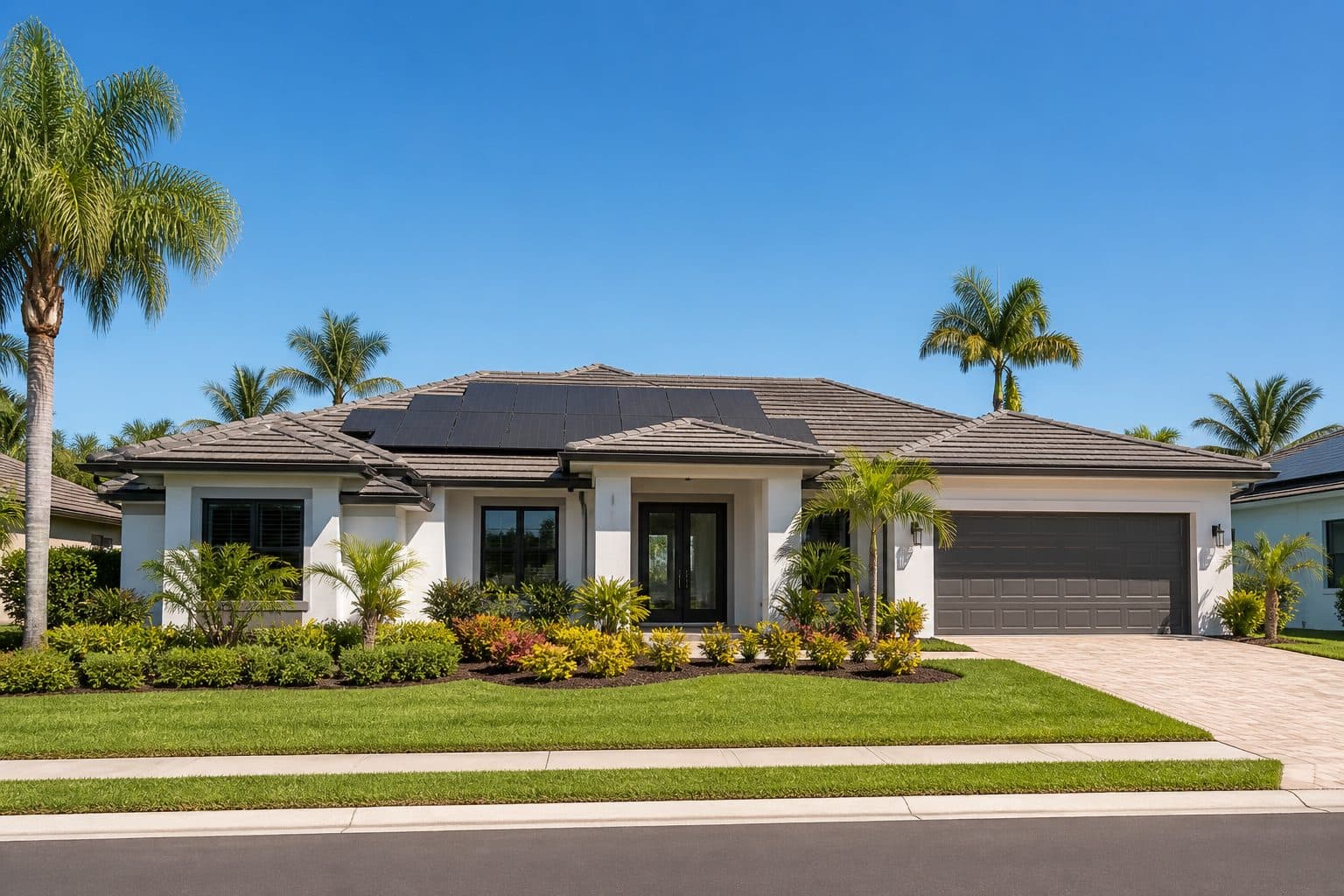
Florida Residential Solar
Spence Solar and Construction is based in Panama City Beach, Florida, and works with homeowners from the Panhandle down through Central and South Florida. Every property is different, so we review your roof, utility, and goals before discussing what may be possible.
Based in Panama City Beach, Florida. Serving residential solar customers throughout the Southeast and commercial solar customers nationwide.
Residential solar consultations are available to homeowners across Florida, from Gulf Coast communities near our Panama City Beach home base to Central Florida, Tampa Bay, Southwest Florida, and South Florida markets. Utility rules, permitting timelines, and product availability can differ significantly between coastal counties and inland metro areas, so each request is reviewed individually.
Florida homeowners face some of the highest annual cooling loads in the country, and that reality shapes most solar conversations we have. A home in the Panhandle with window units and a 1980s duct system has a different starting point than a newer build in Central Florida with a high-efficiency heat pump. Before discussing panel counts or battery sizing, we look at how the home actually uses electricity throughout the year.
The state's utility landscape is not uniform. Some Florida homeowners are served by large investor-owned utilities, others by municipal electric providers, and others by member-owned cooperatives. Net metering rules, interconnection paperwork, and time-based rate options can vary by provider and may change over time, so we confirm current utility requirements for your specific address rather than assuming statewide rules apply everywhere.
Roof condition carries extra weight in Florida because of age, material variety, and storm exposure. Concrete tile, metal, and asphalt shingle roofs each interact with mounting hardware differently, and coastal humidity and salt air can accelerate wear on aging roofing systems. We treat a roof inspection as a normal part of a serious solar conversation, not an afterthought.
Whether a Florida property sits directly on the coast or well inland, storm season is part of the planning conversation. Some homeowners are primarily interested in long-term electric bill management, while others want to talk through battery backup for outage-prone circuits. We do not assume every homeowner wants the same system — the conversation starts with your goals and your property.
Utility treatment, roof condition, and product availability vary. Nothing here is a guarantee of eligibility or savings.
Air conditioning typically represents the largest share of a Florida home's electric bill for much of the year. System sizing conversations start with how your home actually uses electricity, not a statewide average.
Florida's storm season affects planning for many homeowners. We discuss realistic expectations for backup power and note that no system can guarantee protection through every storm scenario.
Florida is served by a mix of investor-owned utilities, municipal providers, and cooperatives. Net metering, interconnection, and rate structures can differ, so current requirements are confirmed for your specific utility during a consultation.
Tile, metal, and shingle roofs each carry different considerations for mounting and remaining service life. Roof condition is reviewed before finalizing a system design.
Most Florida homes use rooftop arrays, but larger lots in some markets may support ground-mounted systems where roof space, shading, or structure make that a better fit.
Battery storage may help keep selected circuits powered during an outage, subject to system design and capacity. Backup duration and coverage are not guaranteed and depend on the specific loads connected.
Depending on credit profile, location, and product availability, options may include cash purchase, financing, or a lease/third-party ownership structure. Terms are reviewed case by case.
When a roof is near the end of its service life, roofing work may be recommended before installation so panels are not placed on a surface that needs attention soon after.
Projects may be available depending on property conditions, utility approval, equipment, financing, and installer coverage.
Browse Florida regions and city pages. Prepared markets without a dedicated page link to this state overview.
Gulf Coast and Panhandle communities where coastal weather, cooling demand, and storm preparedness often shape solar and battery conversations.
Northeast Florida markets where humidity, summer cooling, and varied utility territories are common planning factors.
Central Florida communities with strong cooling seasons and a mix of suburban and resort-area housing patterns.
Tampa Bay-area markets where coastal influence, summer heat, and storm readiness frequently inform solar and storage reviews.
Southwest Florida coastal and inland communities evaluating solar, roof condition, and backup power needs.
Southeast Florida markets with high cooling demand, dense housing, and utility rules that must be confirmed for each project.
Looking for commercial solar outside the Southeast residential footprint? Commercial projects can be evaluated nationwide.
FAQs
We work with homeowners across Florida from our Panama City Beach home base, including the Panhandle, Central Florida, Tampa Bay, Southwest Florida, and South Florida. Submit a request even if your city is not listed by name, and we will confirm availability for your address.
Yes. Florida homeowners are served by different types of utilities, and net metering, interconnection, and billing rules can vary by provider. We confirm current requirements for your specific utility as part of the project review rather than assuming one set of rules applies statewide.
No system can be described as hurricane-proof. Battery backup may help power selected circuits during an outage depending on system design, capacity, and connected loads, but backup duration and coverage are never guaranteed, and equipment installation follows applicable wind-rating and code requirements for your area.
Not always. Roof age, material, and condition are reviewed during the consultation. If a roof is nearing the end of its service life, replacement or repair may be recommended first so panels are not removed and reinstalled shortly after installation.
Depending on your location, credit profile, and current program availability, options may include cash purchase, financing, or a lease/third-party ownership structure. Availability and terms are confirmed during your consultation and depend on the final agreement.
Coastal salt air and humidity are design considerations for equipment selection, mounting hardware, and maintenance expectations. Equipment is not marketed as corrosion-proof, and we discuss realistic long-term maintenance expectations for coastal properties.
Florida residential
Share your property details and preferred contact method. Final availability is confirmed after review.