Automotive and aerospace manufacturing
Alabama's manufacturing plants often have high, consistent load profiles that are reviewed for demand-charge and storage potential.
Loading page content
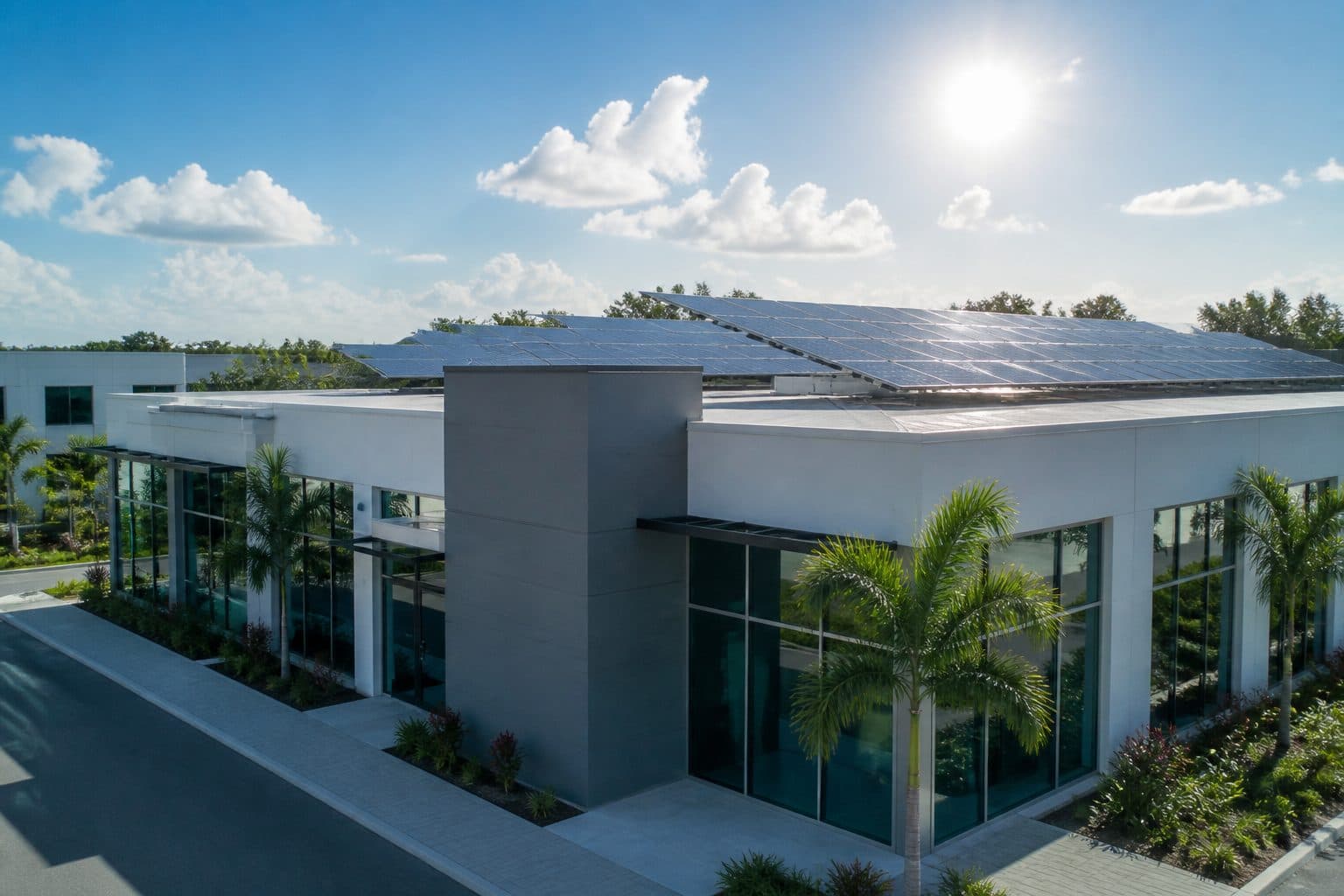
Alabama Commercial Solar
Alabama's commercial base includes automotive and aerospace manufacturing, agricultural operations, and a substantial rural small-business sector that may connect with federal rural-energy programs.
Based in Panama City Beach, Florida. Serving residential solar customers throughout the Southeast and commercial solar customers nationwide.
Spence Solar and Construction is based in Panama City Beach, Florida, and evaluates commercial solar and storage projects for Alabama businesses as part of a nationwide commercial project review, subject to project requirements, financing, and installer coverage.
Commercial solar projects can be evaluated in all 50 U.S. states, subject to project requirements, installer coverage, financing, utility rules, and local regulations.
Alabama's commercial properties include automotive and aerospace manufacturing plants, agricultural operations across the state's rural counties, and logistics and distribution facilities. We review load profile, roof or land availability, and utility structure for each property.
A useful commercial review usually starts with usage data, rate structure, and site conditions—not a one-size estimate.
Alabama's manufacturing plants often have high, consistent load profiles that are reviewed for demand-charge and storage potential.
Alabama's substantial rural agricultural base may connect with USDA REAP funding in addition to federal tax incentives, subject to eligibility review.
Large flat commercial rooftops common at distribution facilities may support significant rooftop solar capacity, subject to structural review.
Rooftop arrays and parking-area solar carports may both be considered depending on roof condition, land availability, and site layout.
Properties with sufficient open rural land may support ground-mounted solar arrays where site conditions and setbacks allow.
Some Alabama businesses explore storage for demand-charge management or operational backup power, depending on load profile and goals.
Businesses with multiple facilities are reviewed individually to determine how a phased project might be structured across sites.
Federal programs may apply depending on project facts and current law. We do not invent state-specific incentives here.
Incentive amounts, depreciation treatment, grant eligibility, transferability, elective pay, tax-credit availability, and program timelines depend on current rules, project details, and the customer’s individual circumstances. Customers should review tax matters with a qualified tax professional and grant requirements with an experienced grant professional.
Review the site's solar incentive education and official resources.
Electric bill upload
Recent bills help us review usage patterns, demand charges, and whether a deeper commercial analysis makes sense for your Alabama property. Final feasibility still depends on utility rules, site conditions, financing, and installer coverage.
Federal, state, local, utility, grant, financing, and product availability varies by project location within Alabama and by utility territory. An Alabama project will be evaluated under the rules and programs applicable to its specific location. This is not tax, legal, engineering, or financial advice.
Browse the nationwide commercial directory for other states.
FAQs
Yes. We evaluate commercial solar and storage projects for Alabama businesses and agricultural operations as part of our nationwide commercial project review.
Eligible agricultural producers and rural small businesses may apply for competitive USDA REAP funding. Eligibility depends on business type, location, and current program rules, and funding is not guaranteed.
Manufacturing facilities with high, consistent electric loads are reviewed for potential demand-charge and storage benefits. Results depend on rate structure, load profile, and site conditions.
Helpful details include business type, property location, recent utility bills, whether demand charges apply, rural or agricultural status, and basic project goals.
Alabama commercial
Share business details, preferred contact method, and bill files when available.